
Understanding Bee Colonies, Types of Bees & Their Roles
Beekeeping Series: 101
(If you’re new to beekeeping, check out our previous post: [Introduction to Beekeeping: A Beginner’s Guide] to learn why beekeeping is a rewarding trade.)
What is a Bee-Colony?
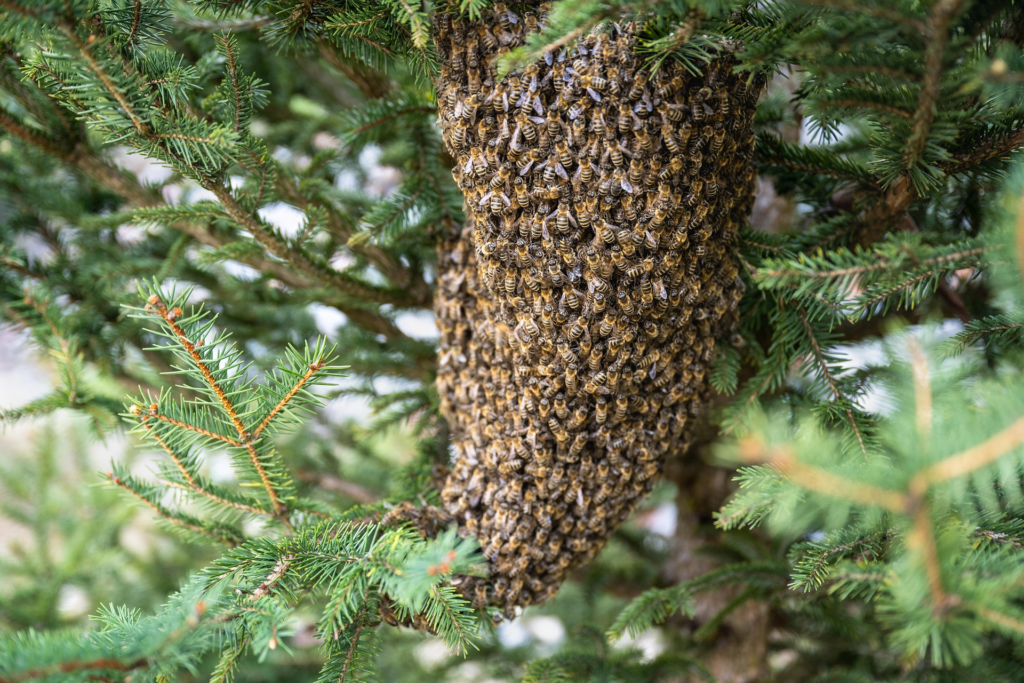
A bee colony is a structured community of bees living together in a hive, working co-operatively to ensure survival and productivity.
Each member of the colony has a specific role that contributes to the overall health and function of the hive. To be a successful beekeeper, it’s crucial to understand these roles and how they impact colony management.
The Three Types of Bees in a Colony
- The Queen Bee
- Worker Bees
- Drone Bees
Worker Bees are the female bees that handle all hive maintenance, including foraging, cleaning, and feeding larvae. The Queen Bee is the heart of the hive, responsible for reproduction. Drone Bees are the male bees whose primary role is to mate with the queen.
The Queen Bee: The Mother of the Colony
- There is only one queen per hive.
- She lays up to 2,000 eggs per day to maintain colony population.
- The queen emits pheromones that regulate hive behavior.
- She can live for 2 to 5 years.
Worker Bees: The Backbone of the Hive
- These are sterile female bees that make up the majority of the colony.
- Their roles change as they age:
- Nurse Bees (0-10 days old) – Feed larvae and tend to the queen.
- Builders & Cleaners (11-20 days old) – Construct honeycombs and maintain the hive.
- Foragers (21+ days old) – Collect nectar, pollen, and water.
- Worker bees typically live 4 to 6 weeks in summer but can survive longer in winter.
Drone Bees: The Mating Specialists
- Male bees whose only role is to mate with a virgin queen.
- They do not have stingers or contribute to hive work.
- After mating, drones die; if they don’t mate, they are expelled from the hive before winter.
How Understanding Bee Roles Helps in Beekeeping
Recognizing these functions of each bee type, every beekeeper can effectively manage hive health and productivity. A healthy balance of all three types ensures a thriving and honey-producing colony.
In the next post, we’ll discuss the essential equipment needed for beekeeping so you can prepare for your first hive. Keep Going!
2 Comments