
How to Start a Pickle Business in India – A Beginner’s Guide
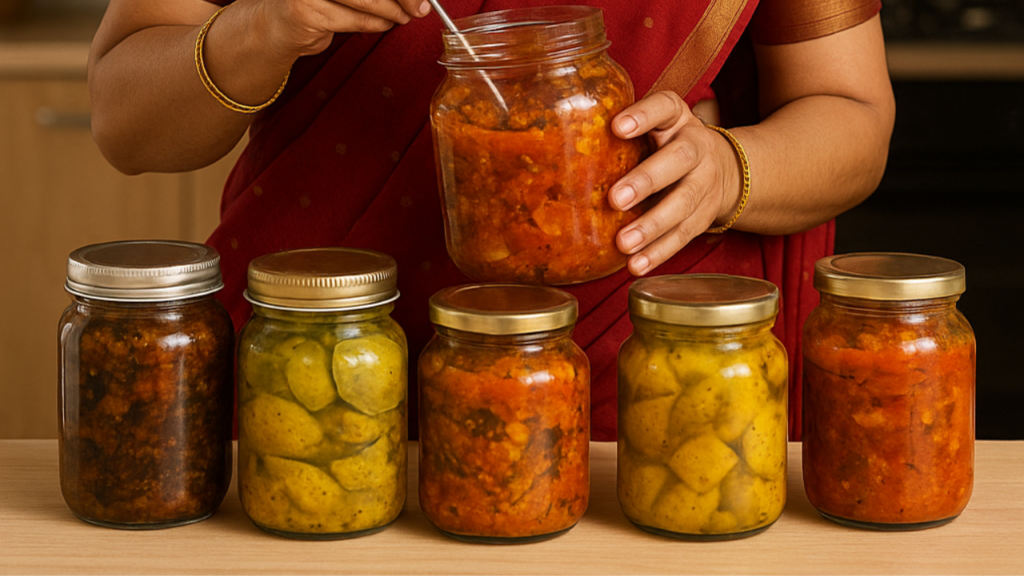
Pickle Business? Thought of it ever?
Pickles are not just condiments or the side-dish in Indian households, they’re a tradition, an emotion, and a part of daily meals. From spicy mango to tangy lemon, from garlic-infused delights in the North to fiery fish pickles in the South, India has a rich diversity in pickle-making. This diversity makes it one of the most promising small-scale food businesses today.
If you’ve ever thought, “I make great pickles, can I sell them?” the answer is yes. And you’re not alone. Many homemakers, retirees, side hustlers, and even young entrepreneurs are turning their pickle-making passion into a profitable business.
Pickle Making is a Great Business Idea
The appeal of a pickle business lies in its simplicity and scalability. You don’t need a massive investment or infrastructure to get started. Many successful businesses began from home kitchens and grew into recognized brands. With changing lifestyles and demand for homemade, chemical-free, traditional food, your pickle could be someone’s next favorite product.
Furthermore, the scope of pickle industry in India is growing. Increasing demand in urban markets, e-commerce platforms, and even exports make it a lucrative idea. Packaged, homemade pickles also appeal to the Indian diaspora worldwide.
Starting a pickle business in India doesn’t mean diving into manufacturing on day one. You can begin small, test the market, and gradually expand. Here’s how:
1. Finalize Your Product Range
Start with 2 or 3 variants. Choose pickles that are common, but add a twist to make them stand out. For instance:
-
Classic mango pickle with a unique spice blend
-
South Indian-style lemon pickle in gingelly oil
-
Garlic pickle without preservatives
Choose based on local availability of ingredients and your strength in making them.
2. Set Up Your Kitchen for Production
You don’t need a factory to start. A clean home kitchen with basic utensils, airtight containers, and hygienic practices is enough. But make sure you comply with FSSAI regulations if you’re planning to sell on a larger scale.
3. Packaging and Branding
Homemade products attract customers when they look trustworthy. Invest in simple, leak-proof glass or plastic containers. Label your jars with:
-
Pickle name
-
Ingredients
-
Expiry date
-
Your brand name and contact details
People tend to buy again if the packaging is neat, safe, and has a human touch.
4. Pricing Your Products
Calculate your cost per bottle, including ingredients, packaging, and your time. Add a reasonable profit margin. Test prices in your local market or WhatsApp groups before going wide. Start with small batches and refine based on feedback.
5. Marketing and Sales
This is where most beginners hesitate but you don’t need to be a marketing expert. Some ideas to start:
-
Sell in your apartment complex or neighborhood
-
Join local food fests or weekend markets
-
Use Instagram, Facebook, and WhatsApp status to show behind-the-scenes
-
Ask friends and family to promote
As you grow, register on platforms like Amazon, Flipkart, or Meesho. Or launch your own website and build your brand.
6. Legal Requirements
For home-scale businesses, start with basic licenses:
-
FSSAI (Food Safety License)
-
GST (if your turnover crosses ₹20 lakhs/year)
-
Local municipal food licenses (varies by state)
Consult a local CA or legal expert when you’re ready to scale.
Pickle Business: Region Wise Ideas
Since India is so culturally diverse, here’s a regional breakdown that can help you niche down:
-
South India: Andhra Avakaya, Gongura pickle, Fish pickle
-
North India: Aam ka achaar, Carrot pickle, Mixed veg pickle
-
East India: Bamboo shoot pickle, Bhoot jolokia pickle
-
West India: Sweet lemon pickle, Gujarati methia keri
Play to your region’s strengths and you can own a specific market segment.
Before we introduce you the next article,
Start with confidence. Be consistent. And keep improving based on feedback—because sometimes, your grandmother’s recipe might just be your best startup idea.
Coming up next in this series: “Pickle Packaging & Branding Tips That Sell in Indian Markets”.